
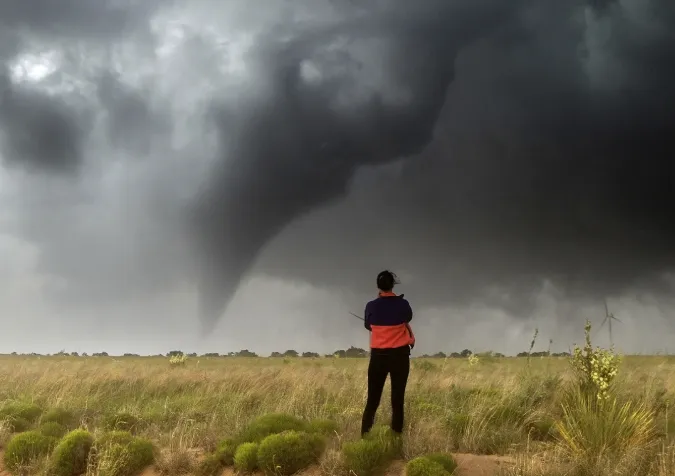
Planning a storm trip takes more than finding a bus and chasing dark clouds. Tornado tours 2027 can vary a lot in route, trip length, group size, safety plans, and weather tools. Some providers focus on close storm views, while others give more time to learning about weather and storm science. A good package should balance both. Travelers should also check what is included, from lodging and meals to expert guidance. Small details matter here. A clear plan can make a storm trip safer, calmer, and far more useful when weather conditions shift fast.
Compare Routes and Storm Regions
A key part of comparing storm chasing tours USA 2027 is the route. The Great Plains remain a major storm zone, with states such as Texas, Oklahoma, Kansas, Nebraska, and South Dakota often included. Still, no fixed route can promise a tornado. Storm teams must follow changing forecasts and road conditions. A flexible provider can shift the plan when new data appears. Check how many miles a tour may cover each day. Long drives can be tiring, but they may help a group reach better weather setups before storms weaken or move away.
Check Safety Plans and Expert Skills
Safety should sit near the top of any tour comparison. A strong provider should use trained storm guides, reliable weather data, and clear rules for roads, parking, and viewing areas. Guests should know what happens when a storm changes speed or direction. This matters because weather can turn quickly. Guides should also explain safe viewing distances and avoid risky stops. During tornado tours 2027, the goal is not simply to get close. It is to understand the storm while keeping the group out of harm. Ask about emergency plans before booking, not after arrival.
Review Group Size and Travel Style
Group size can shape the whole trip. Smaller groups may offer more space in vehicles and easier access to the guide, while larger groups can feel more social and lively. Neither style is always better. It depends on what you want from the trip. Travelers should also review vehicle type, seat comfort, daily driving time, and rest breaks. Some tours feel like a focused weather field trip. Others feel closer to a road adventure. When comparing storm chasing tours USA 2027, look at the daily schedule, not only the final price. A low rate may include fewer comforts.
Study Package Costs and Inclusions
Price comparisons can be tricky because tour packages may cover different things. One provider may include hotels, while another may charge lodging separately. Meals, park fees, guide services, transport, and trip insurance can also change the final cost. A useful comparison starts with the full package value. Check refund rules too. Severe weather can affect routes, and some trips may face delays or changes. For tornado tours 2027, travelers should read the booking terms with care. A clear package should explain what happens if weather does not support the planned route or expected storm activity.
Look For Weather Learning Value
A storm tour can offer more than a dramatic view. The best trips help guests understand how storms form, why forecasts change, and how meteorologists track dangerous cells. Guides may explain radar images, wind shifts, cloud structure, and storm movement during the drive. That extra knowledge can make each sighting more meaningful. Travelers comparing storm chasing tours USA 2027 should check the guide team’s weather background and teaching style. A simple explanation at the right moment can turn a confusing sky into something easier to read. That is a useful skill, even after the trip ends.
Check Reviews Before Making Decisions
Reviews can reveal details that a package page may not mention. Look for comments about guide knowledge, communication, vehicle comfort, hotel quality, timing, and how the team handled changing weather. Recent reviews are usually more useful because tour routes, staff, and policies can change. Pay attention to repeated points rather than one dramatic complaint or praise. It also helps to compare several providers instead of choosing from one website. For tornado tours 2027, customer feedback can show whether a company delivers a well-run experience when conditions are easy and, more importantly, when plans need to change.
Conclusion
Choosing a storm tour is easier when the comparison goes beyond price. Route flexibility, safety planning, guide experience, group size, package details, and weather education all deserve a close look. No provider can control where or when a tornado forms, so honest expectations matter. Travelers should choose a package that values safe decisions while still offering strong opportunities to learn and see severe weather. For more guidance when reviewing storm travel options, stormchasing.com can be a useful place to explore before making a final booking decision.