
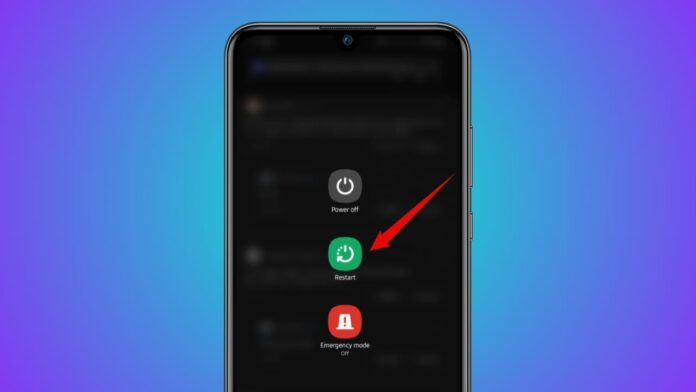
Restarting your Android device is a quick and easy approach to make sure it works well. A reboot can fix a lot of common problems, such as slow performance, app crashes, or a bad network connection. You’ve come to the right site if you want to know how to safely restart your Android device. This article has a step-by-step explanation of how to restart your Android phone so that you can do it safely every time.
Why It’s Important to Reboot Your Computer Safely
A safe reboot gets rid of temporary files and removes apps that are running in the background, which can make your device slow. It also resets the system’s memory, freeing up space and allowing programs to operate better. It can happen that your Android phone just starts to be slow and useless and only needs a little reboot to start being fast and useful. And not every method of restart is identical. By learning to perform the safe reboot of your Android device, you would be able to avoid losing your data and protect your phone against damages.
The Basic Way to Restart an Android Phone
Using the power button is the most common technique to reboot Android device safely. Press and hold the power button until the menu of options shows up on your screen. After that, choose “Restart” or “Reboot.” This process makes sure that your phone goes through the right steps to reboot, which means shutting down all current processes and starting over. Following the basic method is a simple and safe way to restart your Android device.
Advanced Rebooting Options for Fixing Problems
Sometimes, your Android phone could freeze, which makes it impossible to restart it normally. A forced reboot can help when this happens. Press and hold the power button and the volume down button at the same time for roughly 10–15 seconds to safely restart your Android device in certain situations. This will start a hard restart, which will let your phone reset even if it has frozen or stopped responding.
How to Improve Your Android Phone’s Performance by Clearing Cache and Restarting It
One of the main reasons to reboot is to make your gadget run better. Apps and the system build up cache files over time, which might make your phone run slower. It’s a good idea to delete the cache before restarting your Android device to make it run better and safely. To do this, go to the Settings menu, click on “Storage,” and then click on “Cached Data.” Clearing the cache makes sure that your phone will start up faster following a reset.
How to Restart Your Android Phone: Rebooting for System Updates
After installing system updates or patches, Android devices may need to be restarted. These upgrades can make the phone work better, correct bugs, and make it safer. Your phone may ask you to restart after you get a software update. During this process, it is very important to follow the restart Android phone guide to make sure the update goes through correctly. If you don’t restart, the installation might not be complete, which could cause system difficulties.
A helpful tip: rebooting to save battery life
If your Android device’s battery is low or it has power problems, restarting it may help reset the system and give the battery more time to last. In the background, certain apps or processes use too much power. A short restart will stop these things from happening, which will let your battery charge faster. To securely restart your Android device to save power, try doing it at off-peak hours when you don’t need it right away.
Things to Do Before Restarting Your Android Device
Before you try to reset your computer, you need to take some steps to preserve your data. Make sure that all of your crucial work is saved and that programs are closed correctly. You need to not stop the procedure while it’s happening for a safe reboot. Also, make sure your phone has enough battery life so that it doesn’t run out of power while it’s restarting. Taking these steps will assist make sure that you may safely reboot your Android device without any problems.
Conclusion
Rebooting your Android device is a simple but effective technique to address common problems and make it work better overall. It’s important to know how to securely reboot an Android smartphone, whether you’re following the basic steps or trying to fix a frozen screen. Make sure your phone is ready to reboot by storing your data and shutting down any apps that are open. Visit unplix.com for more tips and in-depth advice on how to take care of your Android device.